Overview
Cushion X is installed by fully adhering a resilient mat system to a properly prepared concrete or asphalt base. The mat is joined into a continuous cushioned layer before compatible acrylic coatings, court colors, lines, and custom graphics are applied.
The quality of the finished court depends on more than the cushion layer. The existing base needs to be stable, properly sloped, clean, dry, and suitable for adhesion. Cracks, low areas, loose coatings, moisture, and drainage concerns should be addressed before the mat is installed.
Quality & Heritage Court Services installs Cushion X for residential, commercial, school, community, and club courts throughout Texas.
Considering a cushioned surface for your property? Contact Quality & Heritage Court Services to schedule a court evaluation.
What Is Cushion X?
Cushion X is a resilient mat-based court system installed beneath compatible acrylic coatings. It is designed to create a more forgiving playing surface while preserving the familiar appearance and response of a finished acrylic court.
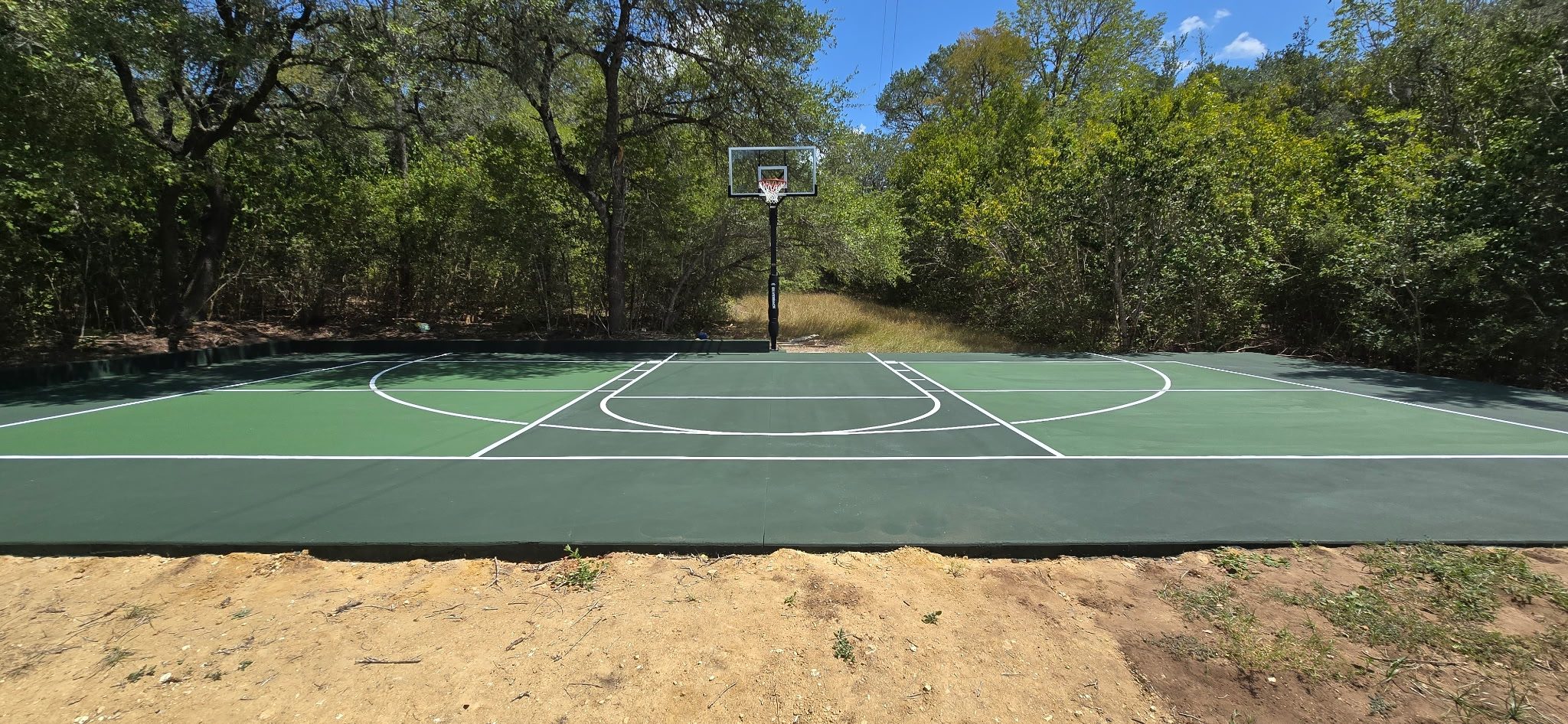
The system can be used for pickleball, tennis, basketball, and compatible multi-use layouts. Court colors, playing lines, logos, and branded graphics are installed over the cushioned layer.
Unlike traditional cushion systems built from repeated liquid applications containing rubber particles, Cushion X uses manufactured resilient mat material. This helps create a consistent cushion layer across the prepared court.
The Cushion X court service provides additional information about applications, comfort, customization, and performance.
Can Cushion X Be Installed on a New Court?
Yes. Cushion X can be included in the original design of a new concrete or asphalt court.
The foundation should be constructed with the selected system in mind. Soil preparation, base materials, reinforcement, slope, drainage, curing, and final surface texture all influence the installation.
What Should Be Planned Before the Base Is Built?
The construction plan should confirm:
• Finished court dimensions: The base needs enough space for playing lines, runoff areas, equipment, fencing, and access.
• Surface slope: Water should move across and away from the court without collecting in low areas.
• Concrete or asphalt specifications: The base must meet the requirements of the cushion and acrylic coating systems.
• Net and equipment foundations: Posts, sleeves, anchors, and goal foundations should be positioned before the final surface is installed.
• Drainage: Runoff from the court and surrounding property needs a controlled discharge route.
• Curing time: New concrete or asphalt must be allowed to cure before moisture-sensitive installation work begins.
Early coordination helps avoid cutting, patching, or altering a new foundation after construction.
Can Cushion X Be Installed Over an Existing Court?
It may be installed over an existing concrete or asphalt court when the base remains suitable.
The court needs to be inspected for cracks, settlement, height differences, low areas, drainage failure, loose coatings, contamination, and moisture. Covering a problem does not correct its underlying cause.
A faded or worn acrylic coating may be suitable after proper preparation. A court with severe structural movement or widespread pavement failure may need deeper work before a cushioned system can be considered.
Which Existing Conditions Require Attention?
Several conditions should be evaluated carefully:
• Active cracks: Continued movement can affect the mat, coatings, and finished surface.
• Raised repairs: Height differences need correction so they do not remain visible or noticeable underfoot.
• Low areas: Water should not remain trapped beneath or around the finished system.
• Peeling coatings: Loose material can interfere with adhesion and needs to be removed.
• Oil or chemical contamination: Contaminated areas may prevent the adhesive from bonding correctly.
• Moisture: The base should meet the system’s installation requirements before adhesive is applied.
An existing court should be approved based on its present condition rather than age alone.
How Is the Court Base Inspected?
The installation begins with a detailed evaluation of the concrete or asphalt.
The contractor examines cracks, joints, patches, low areas, slope, coating adhesion, exposed pavement, moisture, and surface contamination. The perimeter, drainage, equipment foundations, and transitions are also reviewed.
Measurements help confirm whether the court can support the intended game layout and surrounding clearances.
Why Is Moisture Testing Important?
Adhesive and acrylic coatings need appropriate surface conditions to bond correctly.
Moisture rising through concrete or remaining within the base can interfere with adhesion. It may contribute to bubbling, soft areas, coating separation, or other failures.
The installer should follow the current product requirements for surface dryness and environmental conditions. A court that looks dry at the surface may still need further evaluation.
How Is the Existing Surface Prepared?
Preparation varies according to the base and its condition. The goal is to create a clean, stable, properly textured surface that allows the adhesive to develop a consistent bond.
Dust, dirt, mildew, oil, loose coating material, and other contaminants need to be removed. Raised patches and rough repairs may require grinding or correction.
The court should be allowed to dry completely after cleaning.
Which Repairs Are Completed Before Installation?
Eligible cracks and surface defects are treated before the cushion mat is placed.
Minor low areas may be corrected when the base remains structurally suitable. Larger settlement or widespread movement may require a broader repair plan.
Existing joints, patches, and repairs should be reviewed to determine how they may affect the finished system. The installer should explain which surface conditions may remain visible or return after installation.
Cushion X improves comfort, but it is not a replacement for foundation repair.
How Is the Cushion X Mat Positioned?
Once the base is approved and prepared, the resilient mat material is laid out across the court.
The installer plans the arrangement so seams are controlled and material fits around net posts, equipment foundations, drains, edges, and other fixed elements.
The mat may need time to adjust to the installation environment before it is permanently adhered.
Why Is the Layout Completed Before Adhesive Is Applied?
Dry positioning allows the installer to check alignment, cuts, seams, and coverage before the material becomes fixed in place.
It also helps identify damaged material or unexpected base conditions. Adjustments are easier to make while the mat remains loose.
The layout should avoid small, awkward sections where possible. Seams need to be planned so they can be joined and coated consistently.
How Is the Cushion Layer Adhered to the Court?
The mat is fully bonded to the prepared base with the approved adhesive. Installation is completed in manageable sections so the material can be placed accurately before the adhesive sets.
The adhesive needs even coverage. Areas without adequate bond may move, sound hollow, or affect the coatings above.
Environmental conditions should remain within the product requirements during installation and curing.
How Are Air Pockets and Uneven Areas Prevented?
The installer presses or rolls the material into the adhesive as the work progresses. This helps create consistent contact and remove trapped air.
Seams and edges receive particular attention because loose sections can become noticeable beneath the finished surface.
The court should not be opened to traffic while the adhesive is curing. Walking or moving equipment across the mat too early can disturb the bond.
How Are Cushion X Seams Joined?
Adjacent pieces of mat are fitted closely to create a continuous cushioned layer.
The seams should not overlap, separate, or create raised ridges. Gaps and uneven joints may remain visible after acrylic coatings are applied.
The installer may trim material to create a clean fit before completing the approved seam treatment.
Will the Seams Be Visible on the Finished Court?
Properly prepared seams should become difficult to notice after the complete coating system is installed.
Visibility can depend on the quality of the fit, surface lighting, court color, coating thickness, and viewing angle. Poorly aligned or raised seams may remain apparent.
The contractor should inspect every seam before moving to the acrylic layers.
What Happens Around Net Posts and Equipment?
The mat is carefully cut and fitted around permanent posts, sleeves, anchors, goal foundations, drains, and other fixed components.
Openings should be neat and large enough to avoid pressure against the equipment without leaving unnecessary gaps.
If new posts or anchors are required, the foundation work should be completed before the cushion system is installed.
Why Should Equipment Be Planned Early?
Late changes can require cutting through the finished cushion and acrylic layers.
The project should confirm:
• Net-post and sleeve locations
• Basketball goal foundations
• Fence-post positions
• Drain locations
• Electrical penetrations
• Equipment anchors
• Removable post systems
• Multi-use court components
Coordinating equipment early protects the finished surface and creates a cleaner installation.
How Are Acrylic Coatings Applied Over Cushion X?
After the mat is fully bonded and the seams are complete, compatible acrylic materials are applied over the cushion layer.
The exact coating sequence follows the approved system specifications. The work may include preparation layers, flexible coatings, textured color applications, and playing lines.
Each layer needs to dry before the next is installed.
Why Must the Coatings Remain Compatible?
A cushioned mat moves differently from bare concrete or asphalt. The coatings above it need enough flexibility to perform with that movement.
Using an incompatible or overly rigid material may lead to cracking, separation, or premature wear.
The installer should use the approved materials and application rates rather than substituting an ordinary pavement coating.
How Is the Court Texture Created?
Texture is created within the acrylic coating system rather than by the cushion mat itself.
The finish needs to provide dependable traction while supporting predictable ball response and player movement. A surface that is too smooth may feel slippery, while excessive texture can feel harsh.
Application technique, coating consistency, aggregate, weather, and drying conditions all affect the final result.
Does Cushioning Change the Ball Bounce?
The system is designed to preserve a responsive court feel, but players may notice a difference compared with a standard hard court.
The amount of cushioning, coating system, ball type, temperature, and player expectations all influence how the surface feels.
A properly installed system should provide a consistent response across the court. Soft spots or noticeable variations may indicate an installation or base problem.
When Are Court Colors and Lines Added?
The selected court colors are applied after the cushion and preparation layers are complete.
Colors may define the main playing area, non-volley zones, lanes, borders, or multi-use sections. Custom logos and branded graphics can also be incorporated.
Playing lines are measured after the surface layers are finished. Old markings should not be traced without verifying their accuracy.
How Should Colors Be Selected?
Colors should provide clear contrast between the playing surface and regulation lines.
Darker shades may absorb more heat during Texas summers. Very light colors may show soil, stains, and wear more readily.
The final design should balance visibility, surface temperature, maintenance, surrounding architecture, and the owner’s preferences.
Multi-use layouts need particular care so players can distinguish one game from another.
How Long Does Cushion X Installation Take?
The installation timeline depends on court size, base condition, repairs, weather, adhesive curing, number of coating layers, colors, lines, and custom graphics.
A suitable existing court may move through the process faster than a new court requiring foundation construction and curing.
Rain, humidity, temperature, surface moisture, and wind can affect outdoor work.
Which Stages Should Not Be Rushed?
Adequate time should be allowed for:
• Base repairs and preparation
• Drying after cleaning
• Moisture evaluation
• Adhesive curing
• Seam completion
• Drying between acrylic layers
• Court-line application
• Final curing before play
Opening the court too soon can mark the finish or interfere with proper curing.
How Is the Finished Court Inspected?
The final inspection reviews the complete court rather than only the appearance of the color coating.
The installer checks adhesion, seams, surface consistency, texture, colors, lines, equipment openings, edges, drainage, and cleanup.
The court should feel consistent underfoot without loose sections, visible bubbles, or raised joints.
What Should the Owner Review?
The final walkthrough should confirm:
• Court colors and line placement
• Surface texture and appearance
• Net-post and equipment fit
• Perimeter transitions
• Drainage paths
• Cleaning recommendations
• Curing time before play
• Maintenance requirements
• Warranty conditions
• Process for reporting concerns
The owner should receive instructions before the court opens.
How Should a Cushion X Court Be Maintained?
Routine maintenance begins with keeping the court clean and allowing water to drain.
Leaves, dust, soil, food, drinks, and organic debris should not remain on the surface. Use a soft broom, suitable blower, and approved cleaning methods.
Harsh solvents, metal tools, abrasive brushes, and excessive pressure can damage acrylic coatings.
The court maintenance services page explains how cleaning, inspections, painting, and surface repairs support long-term performance.
What Should Be Inspected Regularly?
Check the court for stains, fading, worn lines, texture loss, damaged edges, drainage problems, and changes around posts or anchors.
Furniture and equipment should not be dragged across the surface. Concentrated loads and sharp edges can damage the acrylic layers or cushion beneath them.
Concerns should be evaluated early rather than allowing a small damaged section to expand.
What Are the Most Common Questions About Cushion X Installation?
Yes, when the existing concrete or asphalt base remains stable and suitable for adhesion. Cracks, low areas, peeling coatings, moisture, and drainage should be evaluated first. Necessary preparation and repairs must be completed before the mat is installed.
No. Cushion X creates a resilient playing layer, but it does not stabilise a moving foundation. Active cracks, settlement, or pavement failure may continue affecting the finished system. The underlying condition should be evaluated before installation.
The schedule depends on base preparation, repairs, court size, adhesive curing, coatings, weather, colors, and custom work. A suitable existing court may be completed faster than a new construction project. Drying and curing stages should not be rushed.
Yes. The system can support pickleball, tennis, basketball, and compatible multi-use layouts. The foundation, equipment, texture, colors, and regulation lines should be planned for the intended activities before installation begins.
Properly fitted and prepared seams should become difficult to notice beneath the completed coating system. Poor alignment, gaps, or raised joints may remain visible. Seam quality is therefore an important part of installation.
The opening date depends on adhesive curing, acrylic drying, weather, and the complete coating system. Players and equipment should remain off the court until the installer confirms it is ready. Early use can damage the finish or interfere with curing.
Why Should You Choose Quality & Heritage Court Services?
Quality & Heritage Court Services evaluates the base, intended use, drainage, and maintenance expectations before recommending Cushion X.
The Existing Court Is Inspected First
Cracks, low areas, movement, moisture, coatings, and drainage are reviewed before the mat system is approved.
Installation Follows a Connected Process
Preparation, repairs, adhesive, mat placement, seams, acrylic coatings, colors, lines, and equipment are coordinated within one plan.
The Court Is Designed Around Its Players
Residential, school, club, community, and commercial courts may require different colors, layouts, equipment, and maintenance plans.
Texas Conditions Are Considered
Heat, ultraviolet exposure, rain, humidity, dust, and soil movement influence the installation schedule and long-term recommendations.
Contact Quality & Heritage Court Services to determine whether Cushion X is suitable for a new or existing court.